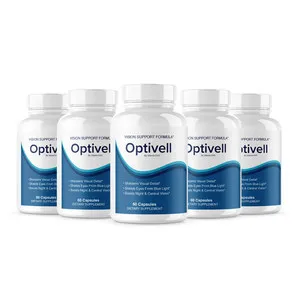
Verdict: MISLEADING MARKETING. The marketing surrounding Optivell relies on fabricated doctor endorsements, AI deepfakes, and a nonexistent berry ritual to push supplement sales.
Searches for Optivell reviews and complaints are surging following a flood of online ads on platforms like Facebook and Instagram. These promotions claim that Dr. Ming Wang, a well-known ophthalmologist, revealed a 30-second frozen berry ritual capable of restoring 20/20 vision at any age.
Those claims are completely false. I dug into the marketing funnel behind Optivell to figure out what consumers are actually buying, and the evidence points to a classic deceptive affiliate scheme.
How the Optivell Marketing Funnel Operates
The entire campaign functions on a recipe-bait strategy. You are shown an ad promising a simple, food-based solution to eliminate blurred vision, eye strain, and age-related decline. The ad directs you to a long-form sales video promising to reveal the exact preparation steps for this frozen blueberry method.
You watch the video waiting for instructions. No recipe is ever provided. No measurements, ingredients, or preparation steps are given. Instead, after stringing you along, the video shifts into a hard pitch to buy Optivell as the actual shortcut to vision restoration. The promised berry protocol is nothing more than a psychological hook designed to hold your attention until the product pitch.
Specific Red Flags and Deceptive Tactics
The digging revealed several major warning signs in how Optivell is being sold:
- Fabricated Doctor Endorsement: The ads repeatedly claim or strongly imply that Dr. Ming Wang discovered or endorsed this method. Dr. Wang has zero connection to Optivell and has never promoted a frozen berry ritual for eyesight.
- Deepfakes and AI Audio: Multiple promotional videos use AI-generated voiceovers, manipulated lip-syncing, and synthetic news clips.
- Fake News Broadcasts: Videos are styled to look like legitimate coverage from The Today Show, CNN, CBS News, Fox News, and 60 Minutes. Optivell has never been featured on any of these networks.
- Name-Dropping Elite Institutions: Sales pages cite the Mayo Clinic, Harvard Medical School, and the National Institutes of Health without providing a single citation or proof of backing. None of these bodies support Optivell or any frozen berry vision cure.
- Reused Scam Patterns: This campaign copies the exact blueprint of previous online schemes centered around “pink salt tricks,” “lemon water rituals,” and “ice hacks.”
What Real Customers and Marketplaces Reveal
You will not find independent, credible Optivell reviews validating the claims made in the ads. Most of the search results online are repetitive affiliate content designed to rank for search queries and redirect buyers back to the order page.
While Optivell appears on third-party marketplaces like Amazon and Walmart, presence on these platforms does not mean the claims are verified or that the product is sold in physical retail stores. Anyone can set up a third-party seller account. Furthermore, while the sales pages advertise a money-back guarantee, relying on refund promises from affiliate funnels built on deceptive claims is a risky bet.
Bottom Line Verdict on Optivell
The marketing tied to Optivell is a calculated effort to deceive people seeking legitimate help for failing vision. There is no frozen berry protocol, no backing from Dr. Ming Wang, and no scientific proof that this supplement can restore your eyesight. The product relies on illusion and authority misuse rather than clinical evidence.
What to Do Next
If you are experiencing eyesight issues, skip the online miracle cures and schedule an appointment with a licensed eye doctor or ophthalmologist.
If you already purchased Optivell through one of these deceptive ads and were charged under misleading pretenses, take action immediately:
- Contact your bank or credit card company to dispute the charges based on deceptive marketing.
- File a complaint with the FBI’s Internet Crime Complaint Center at IC3.gov. Include all email correspondence, order confirmations, and the exact company name or phone number listed next to the charge on your statement.
I’m not a doctor, and this isn’t medical advice.
1 thought on “Optivell Reviews: Is the “Frozen Berry Protocol” a Scam?”